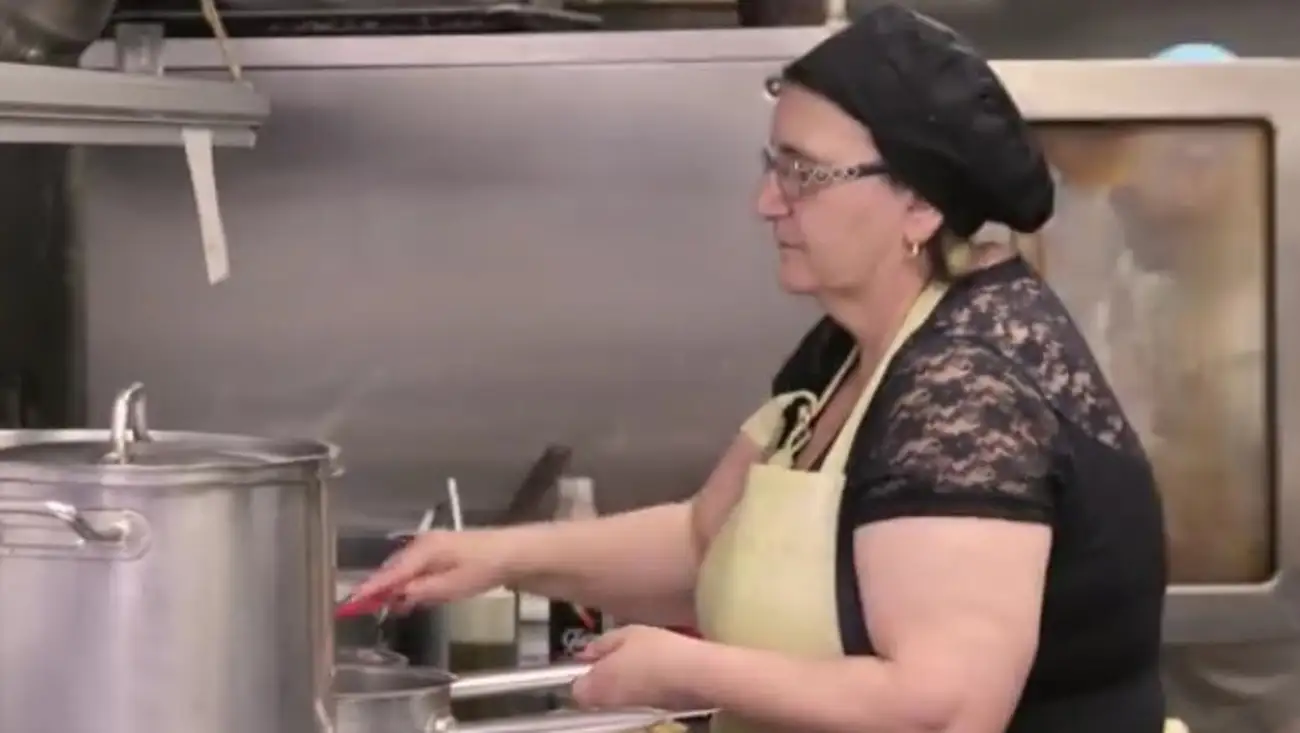
Some kitchens stay with you longer than recipes ever could.
Places where time felt softer, where lunch slowly took shape over the entire morning, and no one seemed in a hurry to finish.
There was often a grandmother in those rooms, but not in a romantic or staged way. Just present. Cooking quietly, following habits built over a lifetime. Vegetables bought that morning. A pot simmering without a timer. Windows slightly open, even in winter.
No one spoke about sustainability.
No one mentioned cultural heritage.
Food was prepared simply because it had to be — and because it mattered.
On 10 December, Italian cuisine is recognised by UNESCO as part of the world’s intangible cultural heritage. The words used — sustainability, seasonality, biocultural diversity — sound modern, almost academic. Yet they describe something deeply ordinary, something that has existed in everyday kitchens for generations.
Italian cooking starts with observation
Italian cuisine is rarely learned through instructions.
It’s absorbed through watching, repeating, adjusting.
Hands move without measuring. Dishes change depending on weather, harvest, and whoever will be sitting at the table. The same recipe never turns out exactly the same, and no one expects it to.
Ingredients are chosen because they make sense in that moment. Local, seasonal, affordable. Not out of ideology, but necessity. That natural balance between people and environment is what UNESCO now recognises — a form of knowledge shaped by time rather than trends.
Lasagna, built slowly
Lasagna was never meant to impress.
It was meant to bring people together.
It appeared when there was time to sit down, when food needed to be generous and comforting. Each layer added calmly, knowing the final result depended on patience rather than speed.
Every family had its own version. Some richer, some lighter. Some tied to seasons, others to celebration. None of them wrong.
Lasagna became a quiet archive of places, habits, and memories. A dish that carries context as much as flavour.
Bringing this philosophy into a Stockholm takeaway
This way of cooking is the foundation of our Stockholm takeaway project.
The goal was never to recreate Italy.
It was to translate values.
Cooking from scratch. Respecting seasons. Choosing ingredients with awareness. Letting simplicity do the work. Even within a takeaway format, these principles still matter.
The mission is inspired by those everyday kitchens where food was prepared with care, without shortcuts, and always with someone else in mind. Comfort food, after all, isn’t defined by geography. It’s defined by intention.
Sustainability without slogans
Italian cuisine has always been sustainable in a quiet, practical way. Nothing wasted. Recipes adapted. Leftovers turned into something new.
Not perfect. Just sensible.
That’s why this recognition feels natural. It doesn’t freeze Italian cuisine in the past. It acknowledges a living practice that continues to evolve while staying rooted in its environment.
A calm kind of pride
There’s no need for big celebrations.
Continuing feels enough.
Cooking carefully. Layering thoughtfully. Trusting time.
If someone opens a takeaway box in Stockholm, takes a bite, and feels something familiar — even without knowing why — then this heritage is still alive.
Italian cuisine doesn’t demand attention.
It asks to be cooked.
Since always, Italian cuisine.
Since always, lasagna.
Culture is made of layers.